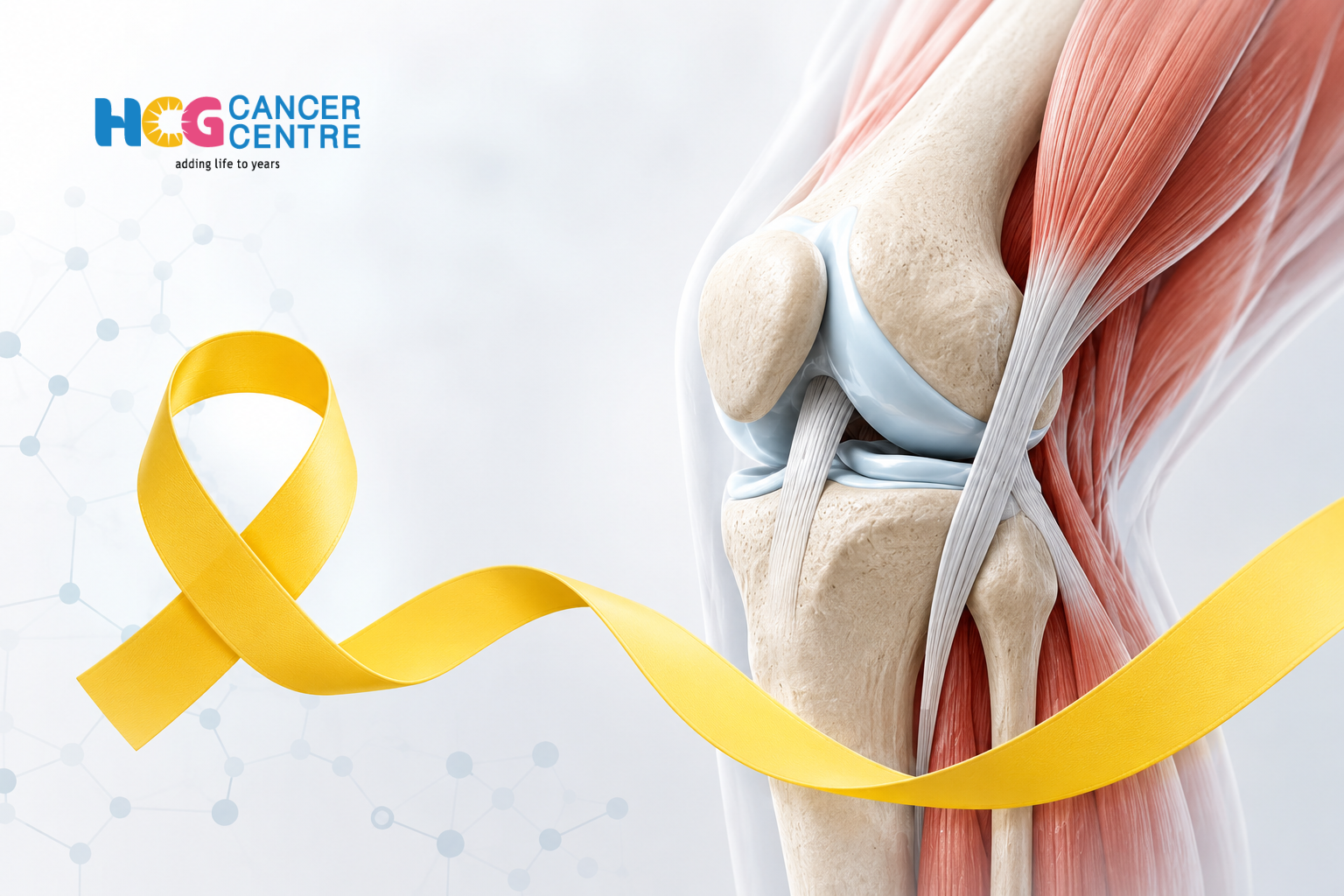
As we observe Sarcoma and Bone Cancer Awareness Month in July, it is essential to look into one of the most overlooked malignancies in our region. Often referred to as the “forgotten cancer,” sarcomas (including primary bone cancers such as osteosarcoma, Ewing sarcoma, and chondrosarcoma) account for approximately 1% of all adult cancers and roughly 15-20% of paediatric cancers globally. (American Cancer Society)
In Africa, where cancer care systems are still evolving, this rarity presents unique challenges. Sarcomas arise in connective tissues, bones, muscles, fat, blood vessels, and cartilage and can occur almost anywhere in the body. With over 50–100 subtypes, their diverse presentations make them difficult to recognise, leading to frequent misdiagnosis or delayed referral.

Why Sarcoma Remains “forgotten” in African practice
Despite its low incidence (bone and joint cancers represent about 0.2% of all new cancer cases), the impact is outsized. Many patients, particularly young adults and adolescents, present with persistent bone pain, swelling, or unexplained lumps that are initially attributed to trauma, infection, or musculoskeletal strain. In resource-variable settings, these symptoms can lead to multiple consultations before a diagnosis is reached.
Data from various studies show that a significant proportion of sarcoma cases in low- and middle-income countries are diagnosed at advanced stages, often after initial misdiagnosis rates as high as 30% or more in some contexts (AACR). This delay reduces treatment options and outcomes.
Read also: How to Access Lutetium-177 Therapy at HCG CCK in Nairobi
The Professional Imperative for Greater Bone Cancer Awareness
For clinicians across Africa, sarcoma may not be top of the mind due to its rarity. A general practitioner might encounter only a handful of cases in an entire career. This underscores the need for heightened suspicion in cases of:
- Persistent bone or soft tissue pain unresponsive to standard care.
- Unexplained lumps or swellings, especially in younger patients.
- Pathological fractures or symptoms that do not fit common infectious or traumatic patterns.
Early referral to multidisciplinary teams equipped with advanced imaging, precise pathology, and specialised surgical/radiation capabilities can dramatically improve limb salvage rates and survival. At HCG Cancer Centre, our investment in cutting-edge technology, including precision diagnostics and targeted therapies, enables us to deliver comprehensive, world-class sarcoma care right here in East Africa, reducing the need for patients seeking treatment overseas.

Moving From Bone Cancer Awareness to Action
Raising the profile of sarcoma across Africa requires collective effort:
- Education for primary care providers and specialists on red flags and referral pathways.
- Investment in regional research and data registries to better understand the African burden of this disease.
- Community engagement to empower patients and families to seek timely medical attention.
This July, we at HCG Cancer Centre reaffirm our commitment to combating the “forgotten cancer” through advanced, compassionate care delivered on African soil. Whether you are a referring physician, oncologist, healthcare leader, or advocate, your role in increasing suspicion and awareness can save lives and limbs.
Let us use this Awareness Month to bridge knowledge gaps and strengthen cancer care systems across the continent.
If you have encountered sarcoma cases in your practice or have questions about referral and management, we welcome the conversation. Together, we can ensure that no patient in Africa has to look beyond our borders for expert sarcoma care.
#SarcomaAwareness #BoneCancerAwareness #CancerCareAfrica #RareCancer #HCGCancerCentre